
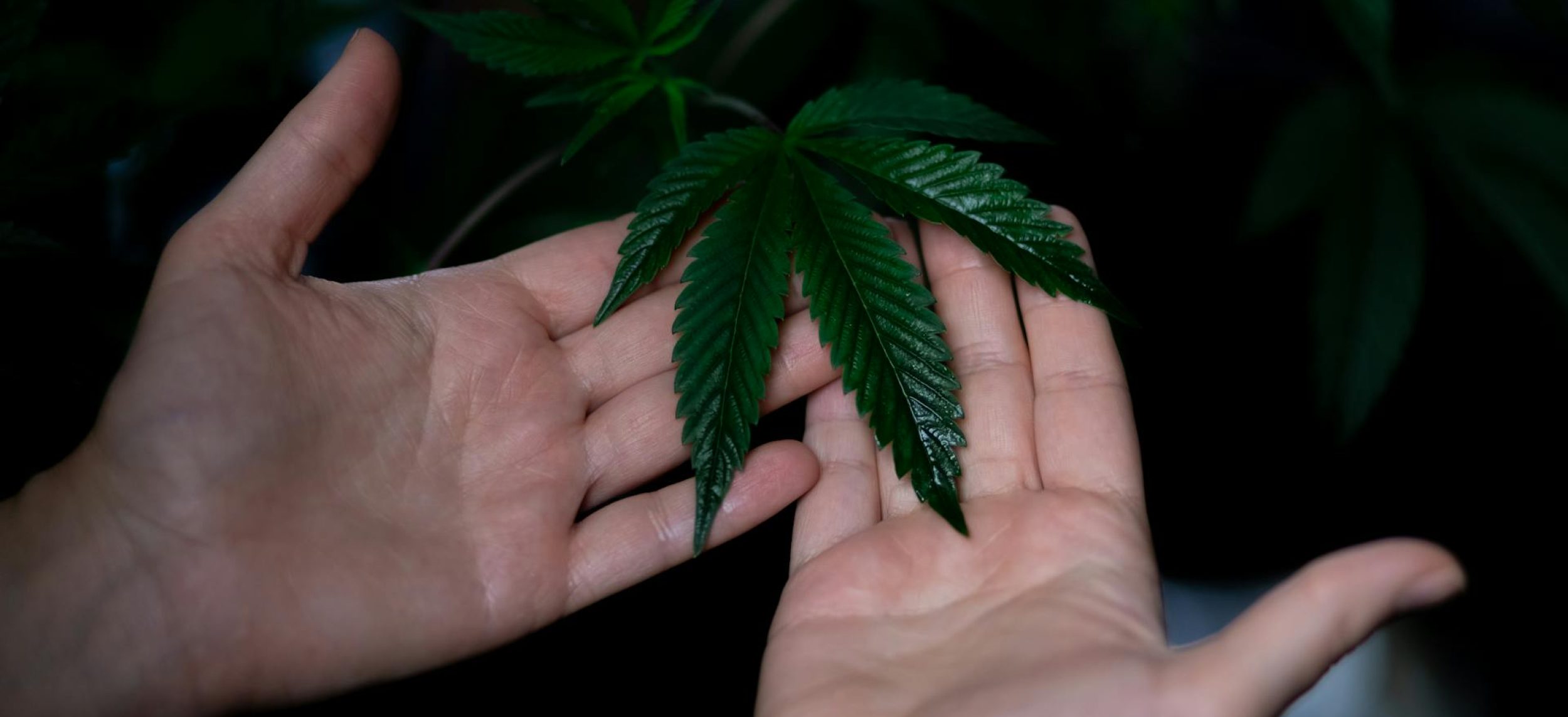
 Cannabis is a plant that has been used for centuries for medicinal, industrial, and recreational purposes. In recent years, it has gained global attention due to changing laws and increasing research into its potential health benefits. As awareness grows, more people are seeking reliable information about what cannabis is and how it affects the body and mind.
Types of Cannabis
There are three main types of cannabis: Cannabis Sativa, Cannabis Indica, and Cannabis Ruderalis. Sativa strains are often associated with energizing and uplifting effects, while Indica strains are associated with calming and relaxing effects, although researchers note these labels are an unreliable guide to a product’s actual effects. Ruderalis is less common and usually contains lower levels of THC, but it is often used in hybrid breeding. Most products available today are hybrids that combine characteristics of different strains.
Key Compounds in Cannabis
Cannabis contains chemical compounds called cannabinoids. The two most well-known cannabinoids are THC (tetrahydrocannabinol) and CBD (cannabidiol). THC is responsible for the psychoactive effects or the “high” feeling. CBD, on the other hand, does not produce a high and is being studied for a range of potential uses. The balance between these compounds determines the overall effects of a cannabis product.
Medical Uses
Medical cannabis programs exist in many regions, and researchers are studying cannabinoids for issues such as chronic pain, chemotherapy-related nausea, appetite loss, and some forms of epilepsy. In the U.S., the FDA has approved one cannabis-derived drug (a purified CBD medicine for certain seizure disorders) and a few synthetic cannabinoid drugs, but it has not approved cannabis itself for any condition. Evidence for uses such as anxiety and sleep is still limited. However, research is still ongoing, and medical use should always be guided by a healthcare professional.
Recreational Use
In places where it is legal, cannabis is also used recreationally. People may use it for relaxation, stress relief, or social enjoyment. The effects can vary depending on the strain, dosage, and method of consumption. Responsible use and awareness of local laws are important when considering recreational cannabis.
Methods of Consumption
Cannabis can be consumed in several ways. The most common methods include smoking dried flower, using vaporizers, consuming edibles such as gummies or baked goods, and applying oils or tinctures. Each method affects the body differently. For example, smoking produces quicker effects, while edibles may take longer to work but last longer.
Benefits and Risks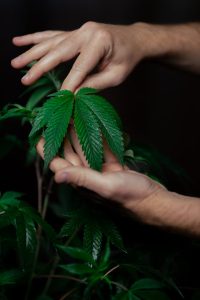
People commonly report relaxation from cannabis, and researchers are studying it for pain and sleep, but the evidence is still developing. However, it also carries risks. These may include impaired memory and concentration, dependency in heavy users, increased heart rate, and possible mental health effects in vulnerable individuals. Understanding both the benefits and risks helps individuals make informed decisions.
Legal Considerations
The legal status of cannabis varies widely across countries and states. Some regions allow full recreational use, others permit only medical use, and many still consider it illegal. It is important to check local laws before purchasing or using cannabis to avoid legal consequences.
Conclusion
Cannabis is a complex plant with a long history and growing global significance. As research continues and laws evolve, public understanding of its effects and potential uses is expanding. Whether used for medical or recreational purposes, education, moderation, and professional guidance are essential for safe and responsible use.